How to Start Investing: Beginner’s Step-by-Step Guide
Learn how to start investing with ETFs, stocks, and robo-advisors. Step-by-step guide for beginners to grow wealth safely and easily.

Investing can feel intimidating at first, especially if you’re just starting out. But the truth is, anyone can begin investing with small amounts, the right guidance, and a simple strategy. In this guide, we’ll break down everything beginners need to know — from choosing an account to picking investments — so you can start growing your wealth today.
💡 Pro Tip: Try our Investment Calculator to see how your portfolio could grow over time.
Understanding the Basics
Before putting your money to work, it’s important to understand the key types of investments and how they work:
- Stocks: Buying a share of a company. Higher potential returns, but also higher risk.
- ETFs (Exchange-Traded Funds): Diversified baskets of stocks or bonds. Lower risk than individual stocks.
- Mutual Funds: Professionally managed investment pools. Often come with fees.
- Robo-Advisors: Automated platforms like Wealthsimple that create and manage a portfolio for you based on your risk profile.
Understanding the basics will help you make smarter decisions and avoid common pitfalls.
How to Open an Account
The next step is choosing a platform to invest through:
- Wealthsimple: Ideal for beginners with a simple interface and low fees. Sign up here.
- Questrade: More advanced options with lower trading fees, suitable if you want more control.
- Compare fees, minimum deposits, and supported investment types before choosing. Commissions are now $0 at the major brokerages, so the differences are elsewhere; see Wealthsimple vs Qtrade.
Tip: Start with a small amount. Many platforms allow you to begin with as little as $100.
How Much to Invest
It’s normal to worry about how much money you need to get started:
- Begin with $100–$500 if you’re new.
- Consider dollar-cost averaging: invest a fixed amount regularly to reduce the impact of market swings.
- Use your Investment Calculator to plan how your investments could grow over time.
Simple Investment Strategies for Beginners
Here are strategies that work well for new investors:
- Diversify Your Portfolio: Spread your investments across different asset classes to reduce risk.
- Invest for the Long Term: Focus on long-term growth rather than short-term gains.
- Avoid Emotional Investing: Don’t let market fluctuations dictate your decisions.
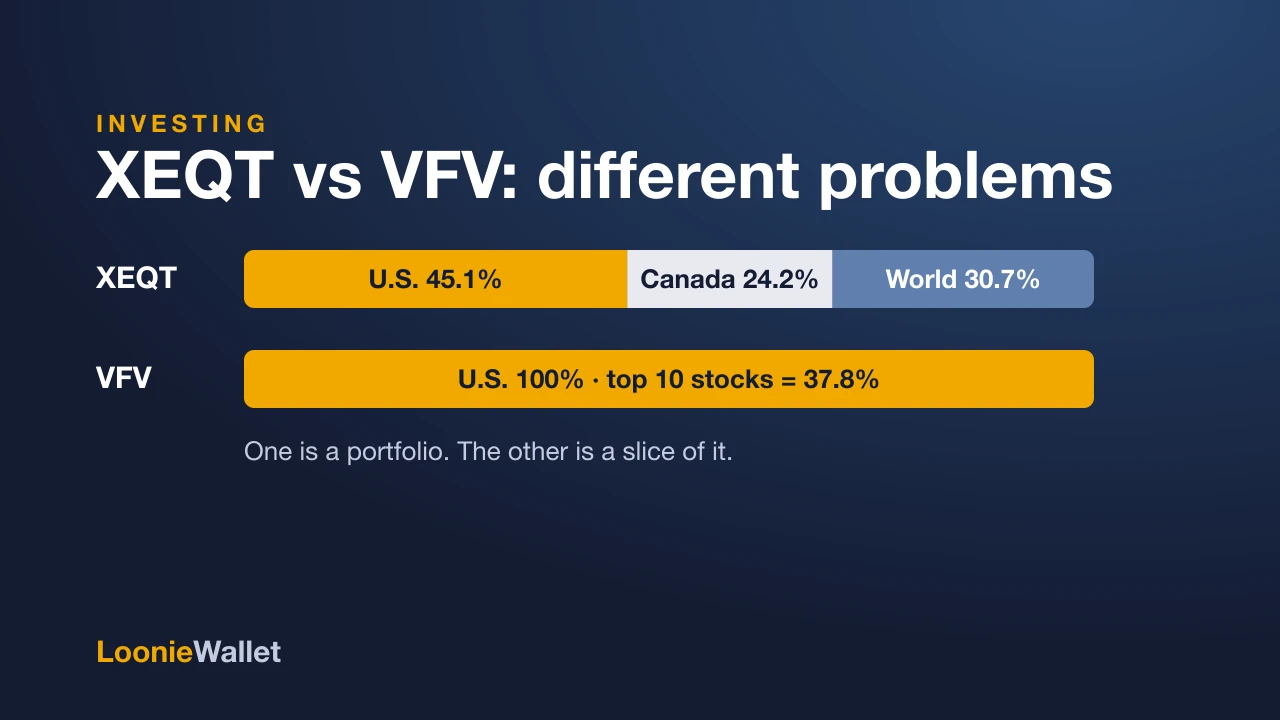
- Hands-Off Approach: ETFs or robo-advisors allow you to invest without constantly managing your portfolio. One all-in-one ETF can be the whole portfolio; our guide to all-in-one ETFs explains how to pick the mix, and XEQT vs VEQT compares the two most popular.
- Which account holds what: once you have more than one account, asset location covers what to hold in a TFSA, RRSP and taxable account.
Resources & Tools
To help you get started:
- Investment Calculator: Plan your portfolio growth with this free tool.
- Guides & Tutorials: Look for beginner-friendly articles on ETFs, stocks, and robo-advisors.
- Budgeting Tools: Track your income, expenses, and savings to free up money for investing.
Conclusion
Starting small is perfectly fine — the key is to start early and be consistent. Even modest investments can grow significantly over time with the power of compounding.
Ready to see your potential growth? Use our Investment Calculator and take the first step toward building your wealth today!
About LoonieWallet
LoonieWallet is an independent resource created to help make smarter financial decisions. We research and publish fact-based guides, tutorials, and product reviews covering money transfers, fintech apps, and personal finance tools. Our mission is to make personal finance easier and clearer so readers can save time, money, and stress.
Read more about us here. If you have any questions, you can contact us using this page.